Hot Wallet vs Cold Wallet: Which Crypto Storage Is Right for You
A hot wallet stores your crypto private keys on an internet-connected device, while a cold wallet keeps them offline. Hot wallets win on speed. They’re the easier pick for trading and decentralized finance (DeFi), while cold wallets do a better job of protecting long-term holdings. Most people end up safest with both: a small hot balance for spending and cold storage for savings.
Key Takeaways
- A hot wallet is a crypto wallet that keeps private keys on an internet-connected device, which makes it fast to use and easier to attack.
- A cold wallet is a crypto wallet that stores private keys offline, usually on a hardware device, which blocks remote theft of those keys.
- A seed phrase, not the device, controls the funds, so anyone holding the seed phrase can move the crypto it protects.
- Federal Deposit Insurance Corporation (FDIC) insurance never covers crypto, and Securities Investor Protection Corporation (SIPC) protection excludes most digital assets.
- The Internal Revenue Service (IRS) doesn’t tax a transfer between two wallets you own, but every later sale needs accurate cost basis records.
- Ledger and Trezor are the two best-known hardware wallet makers, and their entry models cost under $100.
Hot Wallet vs Cold Wallet: What Is the Difference?
In a hot wallet vs cold wallet comparison, the deciding difference is where the private keys live: a hot wallet keeps them on an internet-connected phone, computer or exchange server, while a cold wallet keeps them on a device that stays offline. Everything follows from that choice. Key location sets how convenient each wallet feels day to day and how exposed it stays to attackers.
Crypto wallets don’t actually hold coins. Bitcoin and Ethereum, like every other asset, live on their own blockchains. What a wallet holds is the private key, a secret number that signs transactions and proves you control the funds sitting at a wallet address.
Sharing your public key and wallet address is safe, since other people need them to send you crypto in the first place. Keep the private key secret. Anyone who has it can spend the funds.
What Is a Hot Wallet?
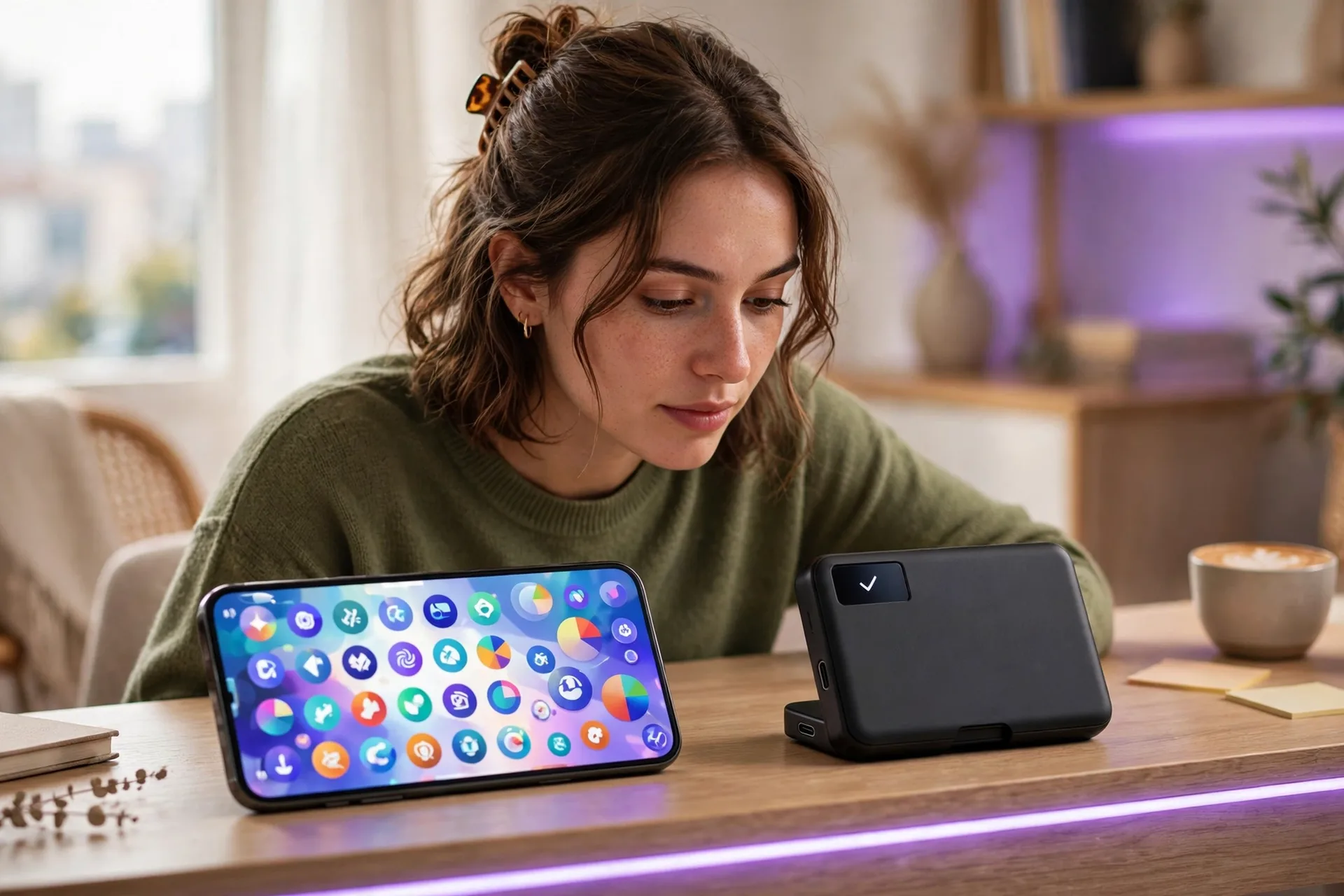
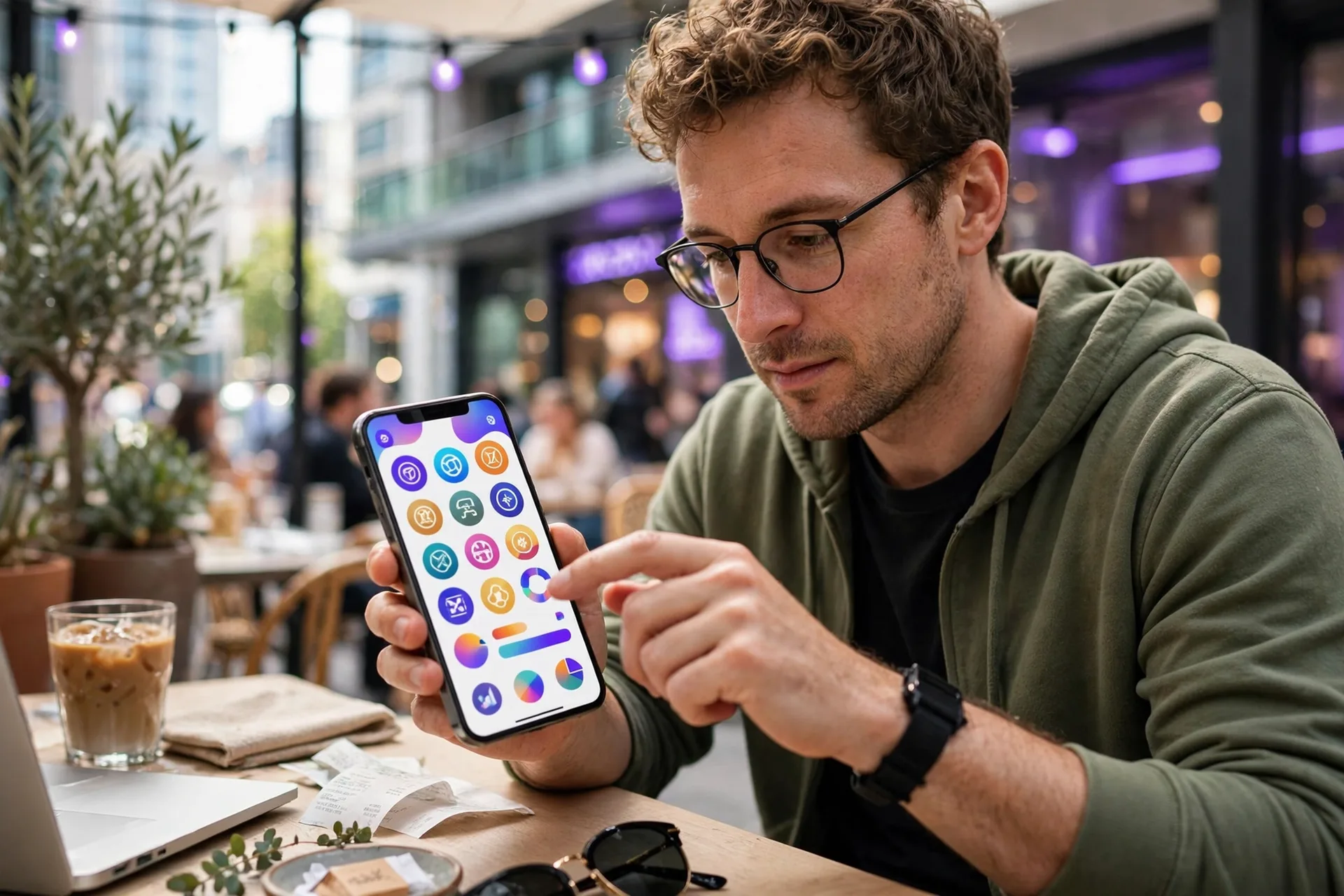
A hot wallet is a crypto wallet that stores private keys on a device connected to the internet. Mobile wallet apps are common. Desktop software works the same way, and so do browser extensions such as MetaMask that run inside the web browser you already use.
Hot wallets cost nothing to download. They also sign transactions in seconds, a speed that suits active trading and everyday payments. DeFi apps on Ethereum and other networks benefit from the same pace, since connecting to them takes a few taps instead of a trip to a separate device.
The tradeoff is exposure. Malware and phishing websites both go after the phone or computer where the keys sit, and fake browser extensions aim at that same machine.
Cold Wallet Meaning
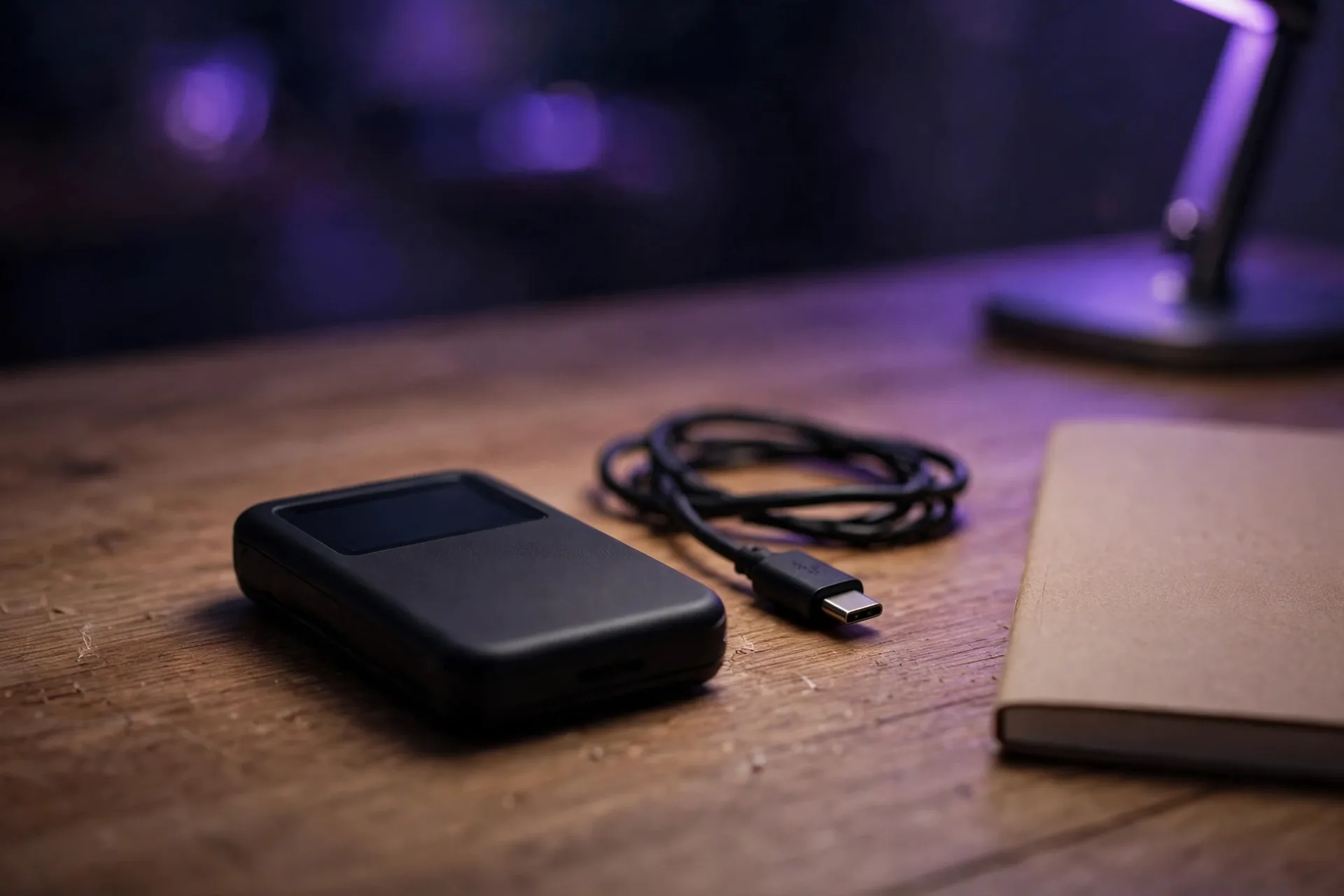
The cold wallet meaning is simple: a cold wallet is a crypto wallet that generates and stores private keys on a device that never touches the internet. Best-known examples: Ledger and Trezor hardware wallets.
A cold wallet still needs some connection to broadcast a transaction. Signing happens inside the device, and only the signed result travels out through USB, Bluetooth, a QR code or a microSD card. The private key itself never leaves.
How Are Cryptocurrency Hot Wallets Different from Cold Wallets?
Cryptocurrency hot wallets differ from cold wallets in four ways: key storage, cost, speed and attack surface. Each one shapes daily use. This table compares the two wallet types on the factors that matter most to everyday holders, from setup cost to theft risk.
| Factor | Hot Wallet | Cold Wallet |
|---|---|---|
| Key Storage | Online phone, computer or exchange server | Offline hardware device |
| Device Cost | $0 for most apps | Under $100 for entry models |
| Transaction Speed | Seconds | Minutes, device must be at hand |
| Remote Hack Risk | High | Very low |
| Physical Loss Risk | Low | Moderate without a seed backup |
| Best Use | Trading, payments, DeFi | Long-term storage |
| Beginner Friendliness | High | Moderate |
Custodial vs Non-Custodial Wallets
Custody is a separate question from hot or cold. With a custodial wallet, such as a Coinbase or Kraken exchange account, the company holds your private keys on your behalf. Non-custodial wallets flip that. MetaMask and Ledger devices put the keys in your hands.
Crypto users sum up custodial risk with one phrase: “not your keys, not your coins.” A custodian can freeze withdrawals or suffer a hack. It can also go bankrupt. Your access ultimately hangs on one thing, which is that company staying solvent long enough for you to withdraw your coins.
What Is Cold Storage in Crypto?
Cold storage in crypto is the practice of keeping private keys on a device or medium that never connects to the internet, so remote attackers cannot reach them. Exchanges use cold storage for reserves. Individuals usually protect long-term holdings with a hardware wallet, though paper backups and air-gapped computers serve the same purpose for some people.
If you’ve ever typed “what is cold storage crypto” into a search bar, the practical answer for an individual is a hardware wallet. Cold wallet crypto storage turns your keys into a physical object. Guard it carefully.
Types of Cold Wallets
Four formats cover most cold storage. This table compares the main cold wallet formats on security level and ease of use, plus the kind of holder each one suits best.
| Wallet Type | Security Level | Ease of Use | Best For |
|---|---|---|---|
| Hardware Wallet | High | Easy | Most long-term holders |
| Paper Wallet | Moderate | Hard | Not recommended for beginners |
| Air-Gapped Computer | Very high | Hard | Technical users |
| Multisig Vault | Very high | Moderate | Large holdings, families |
A hardware wallet is a small USB or Bluetooth device that generates keys internally and shows transaction details on its own screen. Unlocking one takes a PIN code. It’s the cold wallet most US buyers choose.
A paper wallet is a printed private key or seed phrase with no device attached. It costs nothing. Spending from one, though, means typing the key into an online wallet, and that step turns your cold storage hot. Water and fire ruin paper easily.
Air-Gapped Devices and Multisig
Air-gapped devices skip networks entirely. That means no Wi-Fi and not even a USB or Bluetooth link, so signed transactions travel by QR code or microSD card instead. Coldcard and Keystone are hardware wallets designed for air-gapped use.
Multi-signature (multisig) storage requires two or more keys to approve a transaction, such as 2 of 3. One stolen key can’t move the funds. Losing a single key doesn’t lock you out either, and US companies Casa and Unchained offer guided multisig setups for individuals and families.
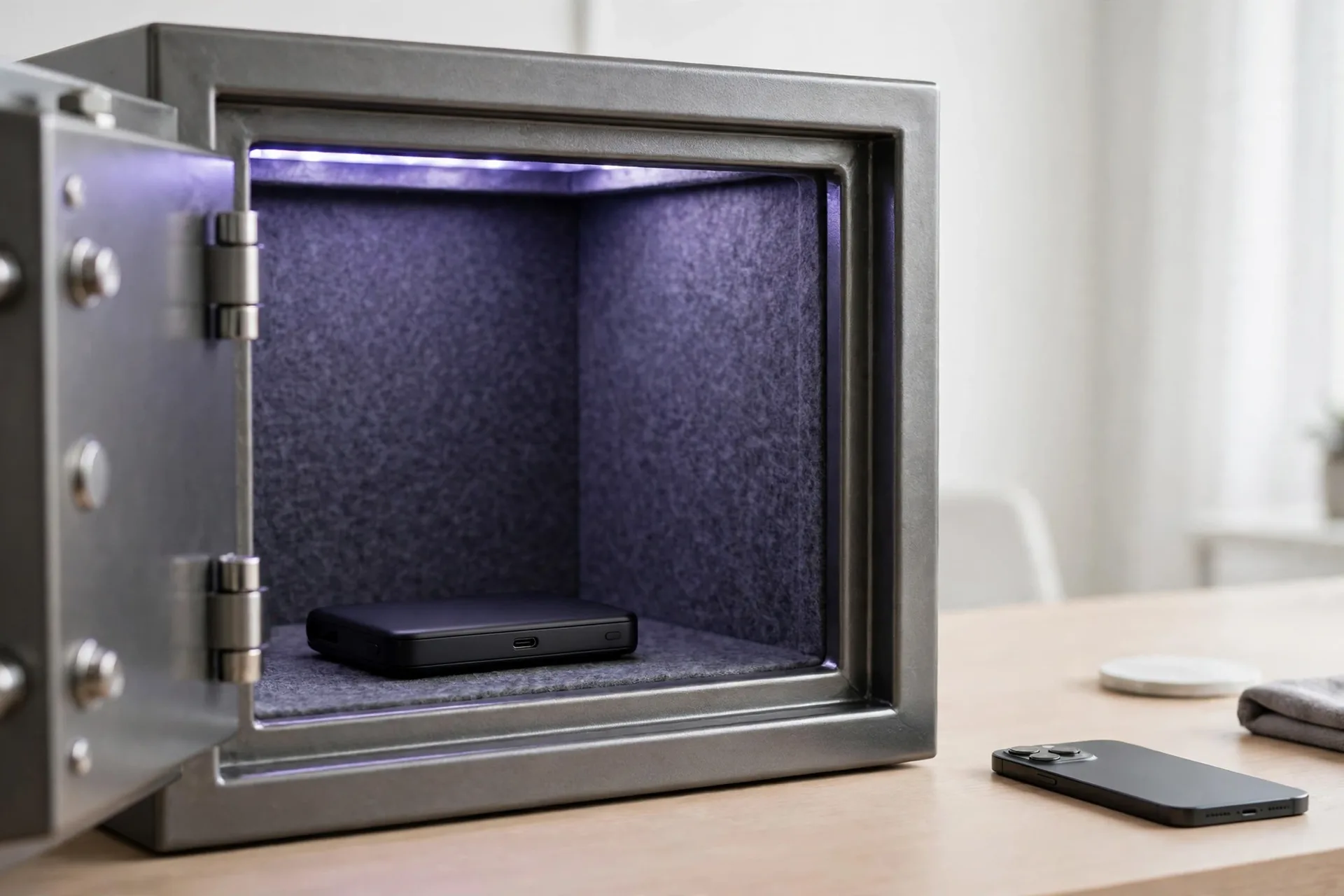
Is a Cold Wallet Safer Than a Hot Wallet?
Yes, a cold wallet is safer than a hot wallet against remote theft, because its private keys never sit on an internet-connected device that malware or phishing sites can reach. Cold wallets aren’t foolproof. A stolen seed phrase or a tampered device still defeats one, and so does an owner tricked into approving a malicious transaction.
Crypto security rests on two layers, namely the device that holds the keys and the person who sits there approving each transaction. Cold storage hardens the first. Only careful habits protect the second.
Cold Wallet vs Hot Wallet Security Comparison
Some threats hit both types equally. This table compares how each wallet type holds up against the common threats crypto holders face, from malware to physical theft.
| Threat | Hot Wallet | Cold Wallet |
|---|---|---|
| Malware on Computer | Can steal keys | Keys stay on device |
| Phishing Website | Can steal seed or approvals | Can still trick approvals |
| Exchange Hack | Exposed if custodial | Not exposed |
| Lost or Broken Device | Restore with seed | Restore with seed |
| Seed Phrase Exposed | Funds at risk | Funds at risk |
| Physical Theft | Phone PIN only | Device PIN, then wipe |
The cold vs hot wallet split is clearest on malware. A compromised laptop can read keys straight out of a hot wallet, but pulling them from a hardware wallet’s secure chip is beyond its reach. Hardware isolation is the whole point.
Hot Wallet Security Risks
Hot wallet security risks come from two places, namely the internet-connected device itself and whatever apps you end up connecting it to. Most attacks target users, not code:
- Phishing: Fake sites and support messages ask for your seed phrase. No legitimate company ever needs it.
- Malicious approvals: Wallet drainers trick users into signing token approvals that let attackers empty a wallet.
- Address poisoning: Scammers send tiny transfers from look-alike addresses so victims copy the wrong address from their history.
- Clipboard malware: Malicious software swaps a copied wallet address with the attacker’s address.
- SIM swaps: Attackers take over a phone number to reset exchange accounts that use SMS codes.
SIM swaps have a simple defense. App-based two-factor authentication (2FA) or a hardware security key blocks most SIM swap attacks on exchange accounts, since neither relies on your phone number.
Can a Cold Wallet Be Hacked?
Yes, a cold wallet can be compromised, but almost never remotely, because the keys sit on a device that no outside attacker can reach online. The realistic risks are physical and human.
Supply-chain attacks hit devices before delivery. A tampered unit, or one shipped with a pre-printed seed phrase card, lets the seller steal funds later. Buy only from the manufacturer or an authorized retailer, and reject any device that arrives with a seed phrase already written down.
Blind signing is the second risk. Approve a transaction without reading the address and amount on the device screen, and no hardware wallet can save you. Verify details on the device, never the computer.
Which Wallet Should You Use?
Most US crypto holders should use both wallet types: a hot wallet for small, active balances and a cold wallet for long-term savings. The right split depends on how much you hold and how often you transact. DeFi use matters too. Think of a hot wallet as a checking account you dip into often, with cold storage acting more like a safe you rarely open.
The hot vs cold wallet choice is rarely either-or. Most people need both. This table matches common use cases to the wallet type that fits each one best, from daily trading to inheritance planning.
| Use Case | Recommended Wallet | Why |
|---|---|---|
| Daily Trading | Exchange account or hot wallet | Fast execution matters most |
| Long-Term Holding | Hardware wallet | Keys stay offline for years |
| DeFi Use | Hot wallet linked to hardware wallet | Device approves each transaction |
| Small Balances | Reputable mobile hot wallet | Device cost outweighs risk |
| Large Holdings | Multisig cold storage | No single point of failure |
| Inheritance | Multisig or documented hardware setup | Heirs can recover funds |
In a cold wallet vs hot wallet decision, start with the amount you could lose without serious harm to your finances. Anything above that belongs in cold storage.
Do You Need a Cold Wallet for Small Amounts?
No. A small balance doesn’t require a cold wallet. A reputable non-custodial mobile wallet with a backed-up seed phrase is a reasonable home for holdings worth less than the hardware itself.
No verified figure exists for the exact threshold. Use a practical test instead. Once losing your crypto would hurt more than spending under $100 on a hardware wallet, go ahead and buy one.
What Is a Warm Wallet?
A warm wallet sits between hot and cold storage. It stays online. Faster access comes with extra controls, though, such as multiple approvals or spending limits that must clear before any funds move.
Warm wallets are mostly an institutional tool, used by exchanges and by custody firms such as Fireblocks. Retail users can copy the idea. Connecting MetaMask to a Ledger or Trezor gets a similar result, since every transaction then needs a physical button press on the device.
Where Popular US Wallets and Exchanges Fit
Popular US options fall into three groups: custodial exchange accounts such as Coinbase and Kraken, non-custodial hot wallets such as MetaMask and Coinbase Wallet, and cold hardware wallets such as Ledger and Trezor. The grouping matters. Knowing a product’s group tells you who holds the keys and how exposed those keys are to attackers.
| Wallet or Exchange | Wallet Type | Who Holds Keys | Best For |
|---|---|---|---|
| Coinbase (exchange) | Custodial account | Coinbase | Buying, selling, beginners |
| Kraken (exchange) | Custodial account | Kraken | Trading |
| Coinbase Wallet | Hot, non-custodial | You | Self-custody on mobile |
| MetaMask | Hot, non-custodial | You | Ethereum and DeFi |
| Ledger | Cold hardware | You | Long-term storage |
| Trezor | Cold hardware | You | Long-term storage |
| Casa / Unchained | Multisig service | You plus backup keys | Large holdings |
Coinbase the exchange and Coinbase Wallet are different products. Don’t mix them up. The exchange holds keys for you, while the separate Coinbase Wallet app hands you a seed phrase of your own to back up.

How to Create a Cold Wallet and Move Crypto Offline
Creating a cold wallet takes about 30 minutes: buy a hardware wallet from the manufacturer, initialize it, record the seed phrase on paper or metal, then send a small test transaction before moving larger amounts. Don’t skip the test. It confirms that the receiving address and your backup both work before real money is at stake.
Initialize a Hardware Wallet
Set aside a quiet half hour. Follow these steps to set up a Ledger or Trezor, and expect nearly identical prompts if you bought a similar device from another maker.
- Buy the device directly from the manufacturer’s website or an authorized retailer such as Best Buy.
- Inspect the packaging and reject the device if it contains a pre-written seed phrase.
- Install the official companion app, Ledger Live or Trezor Suite, from the manufacturer’s site.
- Connect the device and update the firmware when prompted.
- Choose “create new wallet” and set a PIN code of 6 or more digits.
- Write the 12 or 24 seed words in order on the recovery card the device provides.
- Confirm the seed words on the device when it asks you to verify them.
- Store the seed backup in a separate, secure location from the device.
Never photograph the seed phrase or type it into a computer. Cloud notes are off-limits too. For the backup itself, a stamped steel plate resists fire and water better than the paper card in the box.
Transfer Crypto from an Exchange to Cold Storage
Have your device ready. Follow these steps to transfer crypto to cold storage from Coinbase or Kraken, and the same process applies to most other exchanges as well.
- Open the matching coin account in Ledger Live or Trezor Suite, such as Bitcoin or Ethereum.
- Generate a receiving address and confirm it matches on the device screen.
- Paste the address into the exchange withdrawal page and select the correct network.
- Send a small test amount first.
- Confirm the test arrives in the companion app.
- Send the remaining balance, checking the first and last characters of the address again.
- Save the transaction ID, date and amount for your tax records.
Picking the wrong network on an exchange withdrawal page, such as an unsupported chain for the asset, can make your funds unrecoverable. Match it on both ends first.
What Happens If You Lose Your Cold Wallet?
Losing a cold wallet device does not lose the crypto, because the funds stay on the blockchain and the seed phrase can restore them on a new compatible device. Losing the seed phrase is worse. Without the seed phrase and without a working device, no company, including the wallet’s own manufacturer, can recover the funds.
Theft isn’t instant loss. A thief who finds your device still needs the PIN. Most hardware wallets wipe themselves after a set number of wrong PIN attempts, but you should still move your funds to a new seed as soon as possible after a theft.
Restore Funds with a Seed Phrase
Your coins never left the blockchain. Follow these steps to restore crypto after a lost or broken device, using the seed phrase you wrote down during setup.
- Buy a new hardware wallet from the manufacturer.
- Choose “restore from recovery phrase” during setup.
- Enter the seed words in the original order on the device itself.
- Set a new PIN code.
- Open the companion app and confirm your balances appear.
Run a test restore on a spare or reset device soon after setup, well before your savings depend on it. Untested backups can’t be trusted.
Seed phrases follow the Bitcoin Improvement Proposal 39 (BIP39) standard, so most phrases created on one brand restore on another. Extras need recording too. Write down any advanced option, such as a passphrase or a different derivation path.
Plan for Inheritance
Crypto in self-custody passes to heirs only if they can find and use the keys. Leave clear instructions. Describe which wallets exist and where the backups are stored, but keep the seed phrase out of the will itself, because wills can become public records.
Multisig services such as Casa and Unchained offer inheritance features that let a designated heir recover funds with help from a backup key. Legal advice helps here. Look for an estate attorney who understands digital assets.

US Protections, Taxes and Exchange Risk
US investors get fewer protections for crypto than for bank deposits or stocks: FDIC insurance never covers crypto, SIPC rarely does, and the IRS still expects records for every sale. Self-custody looks better as a result. Those same gaps, though, put the full responsibility for security and recordkeeping squarely on you.
FDIC and SIPC Do Not Cover Most Crypto
The FDIC insures deposits at failed US banks. Crypto isn’t covered. That stays true even when a crypto company advertises a banking partner, so treat any hint of FDIC coverage on a crypto app with suspicion.
SIPC protects customers of failed SIPC-member brokerages, up to $500,000 including a $250,000 cash limit. Crypto is another story. SIPC protection doesn’t extend to most digital assets that aren’t registered securities, even when a brokerage holds them for you.
What the FTX Collapse Showed
FTX, one of the largest crypto exchanges, filed for bankruptcy in November 2022 after customers couldn’t withdraw funds. Anyone holding crypto there lost access. People who kept their own keys never had that problem, because no exchange ever stood between them and their own coins.
Not every exchange will fail. Custodial balances still depend on the company’s solvency, and cold storage removes that dependency completely by putting the keys in your hands.
IRS Recordkeeping for Wallet Transfers
The IRS treats crypto as property. Moving it between two wallets you own isn’t a taxable sale. Selling or trading crypto is taxable, though, and spending it on goods or services triggers a taxable event as well.
Report sales on IRS Form 8949 and answer the digital asset question on Form 1040. Starting January 1, 2025, the IRS requires cost basis to be tracked wallet by wallet. Log every move. For each coin you send to cold storage, write down the date and amount, along with the original cost you paid.
Conclusion
The hot wallet vs cold wallet decision will keep shifting as wallets add passkeys and multisig becomes easier for families. Tax rules are tightening too, with US broker forms such as 1099-DA. One rule won’t change: whoever holds the private keys controls the crypto.
Start with a hot wallet for small, active balances. Once losing your savings would hurt, add a hardware wallet and test your seed phrase backup. Keep clean records for the IRS. A setup built that way stays secure as your holdings grow and the tools around them keep changing.
Frequently Asked Questions

James
James leads crypto content at Crypto By Chance, covering exchanges, wallets, trading platforms, and blockchain technology. He researches trading fees, security features, market mechanics, and crypto regulations to explain a fast-moving market clearly. His guides and comparisons help readers evaluate their options, manage risk, and make informed decisions about digital assets.
Related Posts